Insuring a Teen Driver: Costs, Discounts and Safety
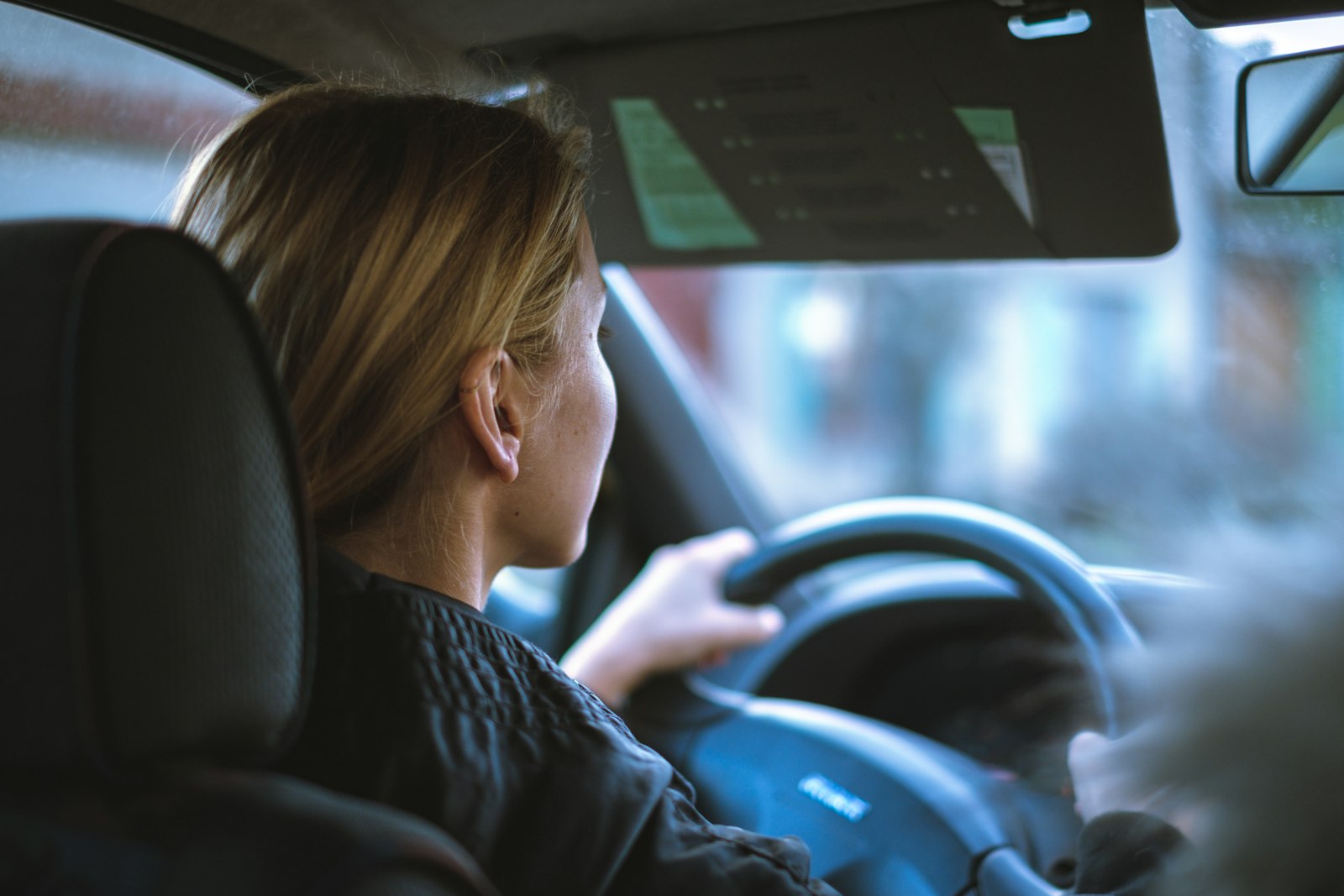
Adding a newly licensed teen usually raises premiums noticeably. Planning ahead can soften the cost and help keep your new driver safe.
Quick checklist
- Teens are inexperienced and have higher crash rates, so adding one usually raises premiums.
- Adding a teen to a parent’s policy is usually cheaper than buying them a separate policy.
- Ask about good student, driver education and away-at-school discounts.
- A safe, sensible car often costs less to insure than a newer or more powerful one.
- Every state has graduated licensing rules that limit new drivers’ passengers and night driving.
Getting a driver’s license is a milestone for teens, and an adjustment for the family budget. Here’s how to manage the insurance side.
Why premiums rise
Teen drivers have less experience and, according to safety data, higher crash rates than older drivers. Insurers price that risk, so adding a teen usually raises premiums, often significantly.
Add them to your policy
For most families, adding a teen to a parent’s policy is cheaper than buying a separate policy. It also means they benefit from your higher liability limits and multi-car discounts.
Discounts to ask about
- Good student: often for a B average or better.
- Driver education or safe-driving courses.
- Away at school: for students living far from home without a car.
- Usage-based programs that reward safe driving; see our guide to usage-based insurance.
Choose the right car
A mid-size car with strong safety ratings and modest power is usually safer and cheaper to insure than a sports car, a large truck or a very old car without modern safety features. NHTSA and the Insurance Institute for Highway Safety publish crash test results.
Driver tip
Agree on family driving rules before handing over the keys: no phone use while driving, seat belts for everyone and limits on passengers and late-night driving. Some families put these in a written agreement.
Graduated driver licensing
Every state uses graduated driver licensing (GDL), which phases in driving privileges. Rules vary but often include supervised practice hours, limits on teen passengers and restrictions on night driving. Following them reduces risk, and breaking them can affect insurance.
Review your limits
With a new driver in the household, consider raising liability limits; see our guide to uninsured motorist coverage for another layer of protection. Make sure your teen knows our after-an-accident checklist.
Driver questions
When should I add my teen to my policy?
Tell your insurer when your teen gets a learner’s permit; some insurers cover permit holders under your policy at no extra cost, while others require them to be listed. Add them as a driver once they’re licensed.
Should my teen have their own car?
Assigning a teen to an older, safer car can lower costs. A separate car also means more liability exposure, so consider your liability limits.
Do usage-based programs help teens?
They can. Programs that track driving behavior may lower premiums for safe drivers and give useful feedback.
What happens if my teen has an accident?
An at-fault accident usually raises premiums at renewal. Make sure your teen knows what to do at the scene.
Car insurance rules vary by state and by policy. This guide is general information, not legal or insurance advice; check your policy and your state insurance department for details.