Insurance for Rideshare and Delivery Drivers
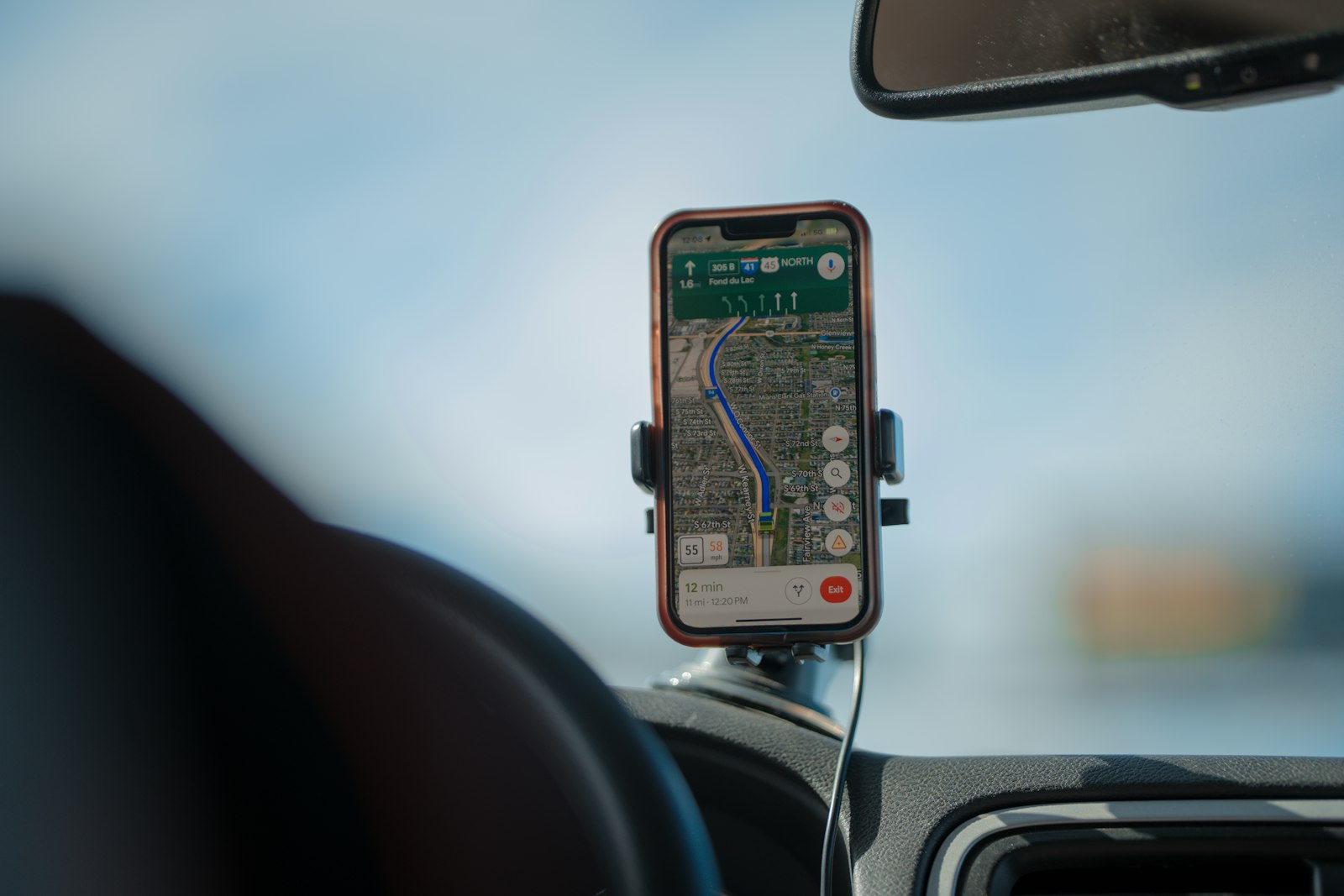
Driving for a rideshare or delivery app changes your insurance. Knowing who covers what, and when, keeps you from being caught without protection.
Quick checklist
- Personal auto policies often exclude driving for pay unless you add rideshare coverage.
- Rideshare companies’ insurance depends on what you’re doing in the app.
- While you’re waiting for a request, app companies usually provide only limited liability coverage.
- Once you’ve accepted a ride and while a passenger is on board, coverage is much higher, often $1 million in liability.
- A rideshare endorsement on your personal policy can fill the gaps, often at modest cost.
Many people drive for rideshare or delivery apps to earn extra money. But personal car insurance is designed for personal use, and many policies exclude driving for pay.
The coverage periods
Rideshare coverage is usually described in periods:
| Period | What you’re doing | Typical app coverage |
|---|---|---|
| App off | Personal driving | Your personal policy |
| Period 1 | App on, waiting for a request | Limited liability coverage from the app company |
| Period 2 | Ride accepted, driving to pick up | Higher liability coverage, often $1 million |
| Period 3 | Passenger in the car | Higher liability coverage, often $1 million |
Details vary by company and state, and coverage for damage to your own car is usually limited.
The gap
During Period 1, the app’s coverage is limited, and your personal policy may exclude you because you’re working. That’s the most common gap. Even in Periods 2 and 3, coverage for your own car may come with a high deductible.
Watch out
If you don’t tell your insurer you drive for an app, it may deny a claim, even one from personal driving, or cancel your policy.
Rideshare endorsements
Many insurers sell a rideshare endorsement that extends your personal coverage to Period 1 and sometimes helps with deductibles in later periods. It’s often an affordable way to close the gap.
Delivery driving
Food and package delivery apps have their own insurance arrangements, which may differ from rideshare. Check each app’s coverage and tell your insurer about any delivery work.
Related guides
Many drivers try usage-based insurance to lower costs. If an accident happens, follow our after-an-accident checklist, and let the app company know as well as your insurer.
Driver questions
Do I need to tell my insurer I drive for an app?
Yes. Not telling your insurer can lead to a denied claim or a cancelled policy. Ask whether it offers a rideshare endorsement.
Does this apply to food delivery?
Similar issues apply. Delivery apps have their own coverage rules, which differ from rideshare. Check what each app provides and tell your insurer.
What about damage to my own car?
During trips, app companies may offer contingent collision coverage if you carry collision on your own policy, usually with a high deductible.
Is a commercial policy necessary?
For most part-time app drivers, a rideshare endorsement is enough. Full-time or other commercial driving may require a commercial policy.
Car insurance rules vary by state and by policy. This guide is general information, not legal or insurance advice; check your policy and your state insurance department for details.